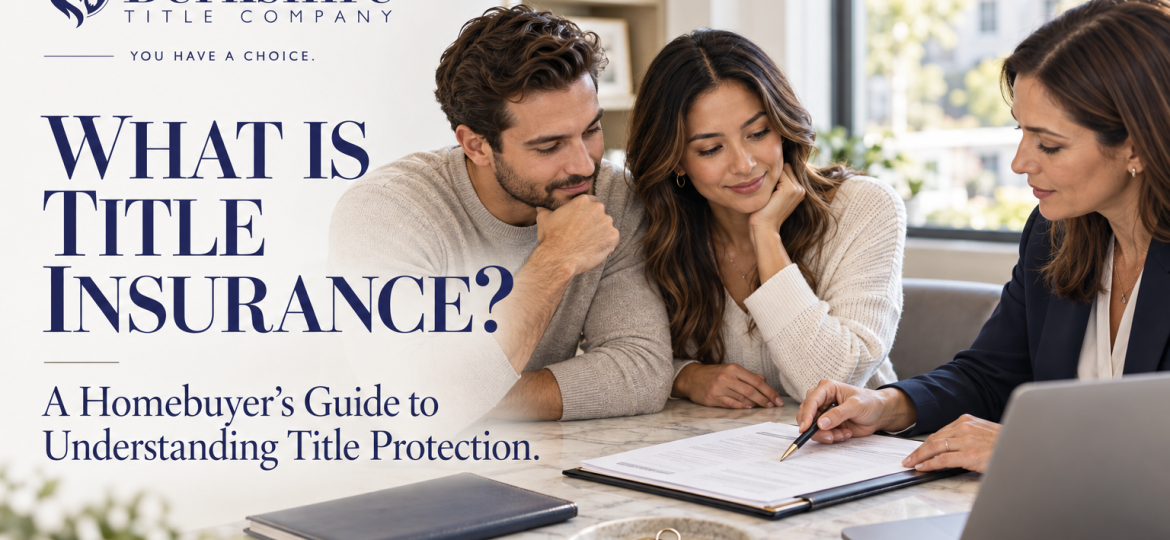
Buying a home is not only about receiving the keys, it is also about making sure your legal ownership of the property is properly protected.
Many buyers assume that once a deed is signed and the transaction closes, no one can question their ownership. However, problems connected to the property’s history can sometimes appear later, including unpaid liens, recording errors, forged documents, or claims from unknown heirs.
Below is a clear, buyer-friendly explanation of how title insurance works, what it may protect against, and why understanding your coverage matters before closing.
Not sure which title insurance policy protects you?
Berkshire Title Company can help you understand your options → CONTACT US HERE
What Is Title Insurance and How Does It Work?
Title insurance protects against certain covered ownership problems that existed before you purchased the property but were discovered later.
Before issuing a policy, the title company performs a title search. This may include reviewing :
- Previous deeds and ownership transfers
- Mortgages and liens
- Property-tax records
- Court judgments
- Easements and restrictions
- Other recorded claims affecting the property
If a problem is discovered, the appropriate parties may need to resolve it before closing. Once the requirements have been satisfied, the title insurance policy can be issued subject to its terms, exceptions, and exclusions.
Key takeaway :
The title search looks for problems before closing. Title insurance provides protection against certain covered issues that may appear afterward.
What Types of Problems Can Title Insurance Protect Against?
Even a detailed title search may not uncover every problem in a property’s history.
Depending on the policy, title insurance may provide protection against covered issues such as :
- An unreleased mortgage or lien
- An error in public records
- An unknown heir claiming ownership
- A forged signature in an earlier transaction
- An improperly recorded document
- Certain undisclosed easements or encumbrances
- Another person challenging the buyer’s ownership rights
Every policy has specific coverage, limits, exceptions, and exclusions. Buyers should review their documents carefully and ask questions about anything they do not understand.
Important distinction :
Title insurance does not guarantee that a dispute will never happen. It provides protection against certain risks covered by the policy.
What Is the Difference Between Owner’s and Lender’s Title Insurance?
Buyers are often surprised to learn that there are two different title insurance policies.
A lender’s title insurance policy protects the mortgage lender’s financial interest in the property. It is usually required when the buyer finances the purchase.
An owner’s title insurance policy protects the homebuyer’s covered ownership interest.
The two policies may relate to the same property, but they do not protect the same party.
According to the Consumer Financial Protection Bureau, lender’s title insurance protects the lender, not the buyer’s investment or equity in the home.
Key takeaway :
Paying for a lender’s policy does not mean your ownership interest is personally protected. Owner’s coverage is separate.
Have questions about which policy protects you?
Contact Berkshire Title Company for a clear explanation → CONTACT US HERE!
Is Owner’s Title Insurance Required When Buying a Home?
Owner’s title insurance is generally optional, while lender’s coverage is commonly required when a mortgage is involved.
However, optional does not mean unimportant.
Without an owner’s policy, a buyer may be responsible for handling the financial and legal consequences of an ownership dispute that appears after closing. With a policy, certain covered losses and legal expenses may be addressed according to the policy’s terms.
Cash buyers should also consider title protection. Purchasing without a mortgage eliminates the lender’s policy requirement, but it does not eliminate possible ownership risks.
What buyers should consider :
- The property’s ownership history
- The risks identified during the title search
- The policy’s coverage and exclusions
- The cost of the policy
- The potential cost of handling a future dispute without coverage
Every property and transaction is different. Buyers should review their options based on the actual property rather than relying on a general recommendation.
How Much Does Title Insurance Cost?
Title insurance is generally purchased through a one-time premium rather than monthly or annual payments.
The cost may depend on :
- The property’s purchase price
- The mortgage amount
- The state where the property is located
- The type of policy selected
- Applicable rates and endorsements
- Whether owner’s and lender’s policies are issued together
Rates, payment customs, and closing practices can differ between New Jersey, Florida, New York, Michigan, and Montana. Buyers should request an itemized explanation of their title and closing charges rather than assuming that another buyer’s costs will be the same.
Key takeaway :
There is no single nationwide price for title insurance. The property, policy, location, and transaction structure all matter.
Can Homebuyers Choose the Title Company?
A Realtor, lender, attorney, seller, or developer may recommend a title company, but a recommendation is not always a requirement.
According to the CFPB, under the Real Estate Settlement Procedures Act, a seller generally cannot require a borrower to purchase title insurance from a specific company as a condition of the sale.
However, the selection process may still depend on :
- Who is paying for the policy
- The purchase agreement
- State law and local customs
- Lender approval
- Attorney involvement
- The structure of the transaction
Buyers should understand who recommended the provider, what services are included, and whether they can compare qualified options.
This is the meaning behind Berkshire Title Company’s message :
You Have a Choice.
Want to understand your role in selecting a title company?
Read our Buyer Guide here → RELATED BLOG LINK
What Should You Ask Before Closing?
You do not need to become a title expert, but you should feel comfortable asking questions.
Before closing, consider asking :
- Who does each title insurance policy protect?
- What did the title search find?
- Are there liens that must be resolved?
- What is included in the quoted cost?
- What exceptions will appear in the policy?
- Are any easements or restrictions affecting the property?
- How will I receive my final title insurance policy?
- Who should I contact if a title concern appears later?
- Can I compare eligible title providers?
Clear answers can help you understand what you are signing and approach closing with greater confidence.
Final Thoughts: Title Protection Begins With Understanding
Title insurance is not simply another charge on a closing statement. It is part of protecting the legal ownership behind one of the most important purchases you may make.
The title search works to identify problems before closing. A lender’s policy protects the lender, while an owner’s policy protects the buyer’s covered ownership interest.
At Berkshire Title Company, we believe buyers deserve clear information before making decisions. Our goal is to help you understand the title process, ask informed questions, and move toward closing with greater clarity.
You Have a Choice.
Have questions about title insurance or your upcoming closing?
Contact Berkshire Title Company for buyer-focused guidance → CONTACT US HERE!
This article is for general educational purposes and does not provide legal, financial, or insurance advice. Coverage and closing requirements vary by policy, property, transaction, and state.